
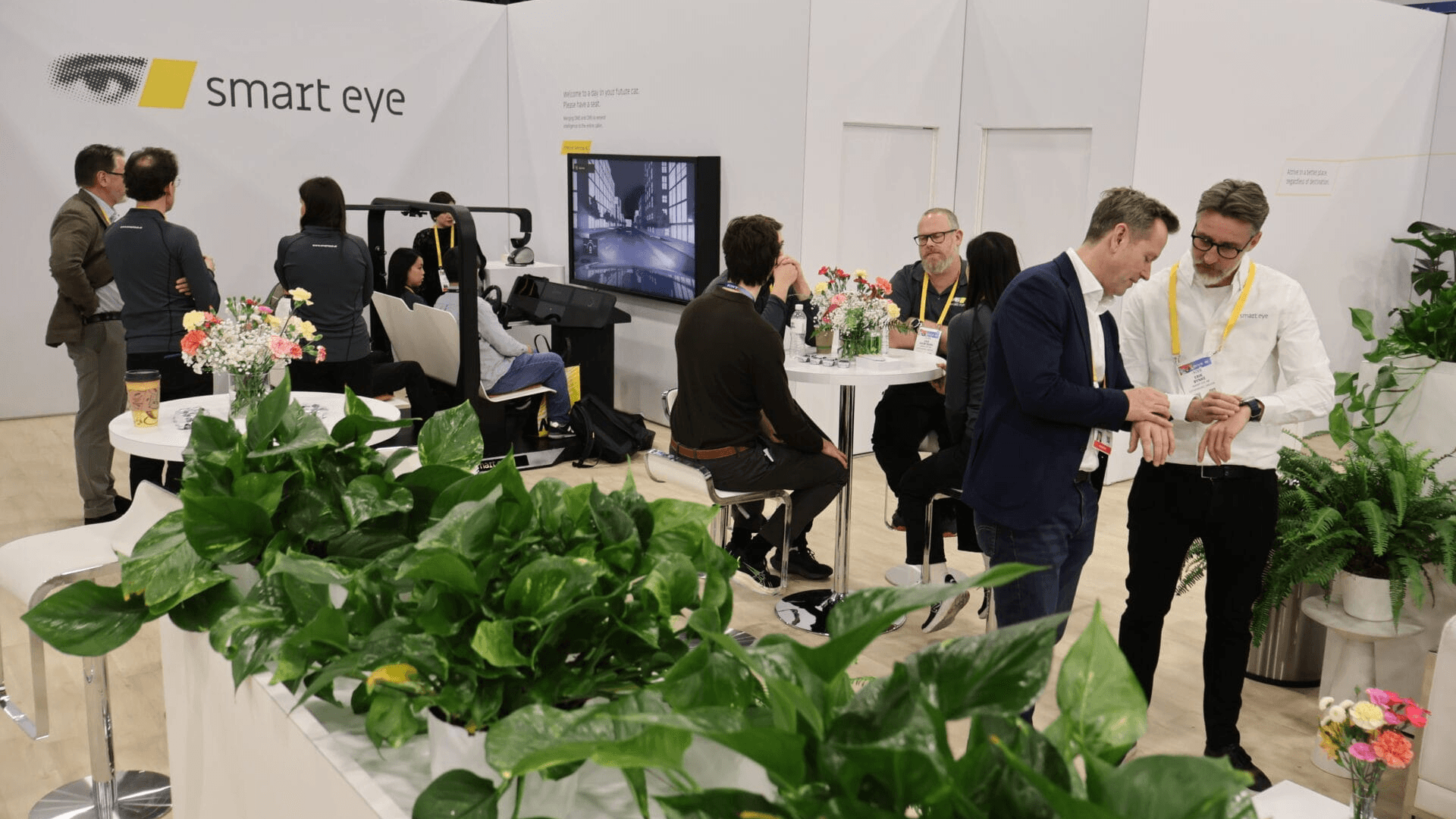
Human understanding. Running live.
See how our latest automotive AI understands drivers and passengers, and how that understanding can help vehicles respond.
At CES 2027, we’re demonstrating advances in driver monitoring, interior sensing and in-cabin agentic AI. Experience the technology and discuss how it could fit the projects you’re working on.
What you'll see
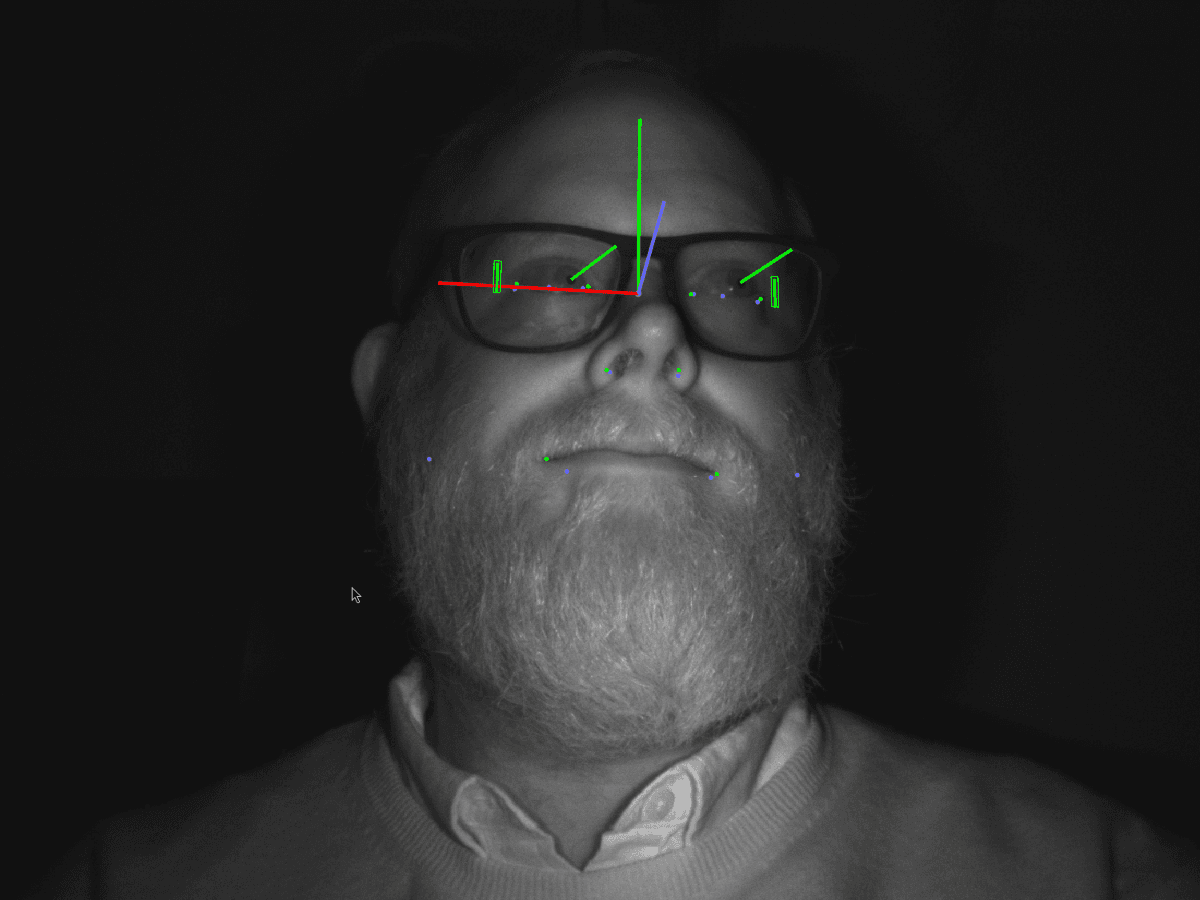
Driver monitoring
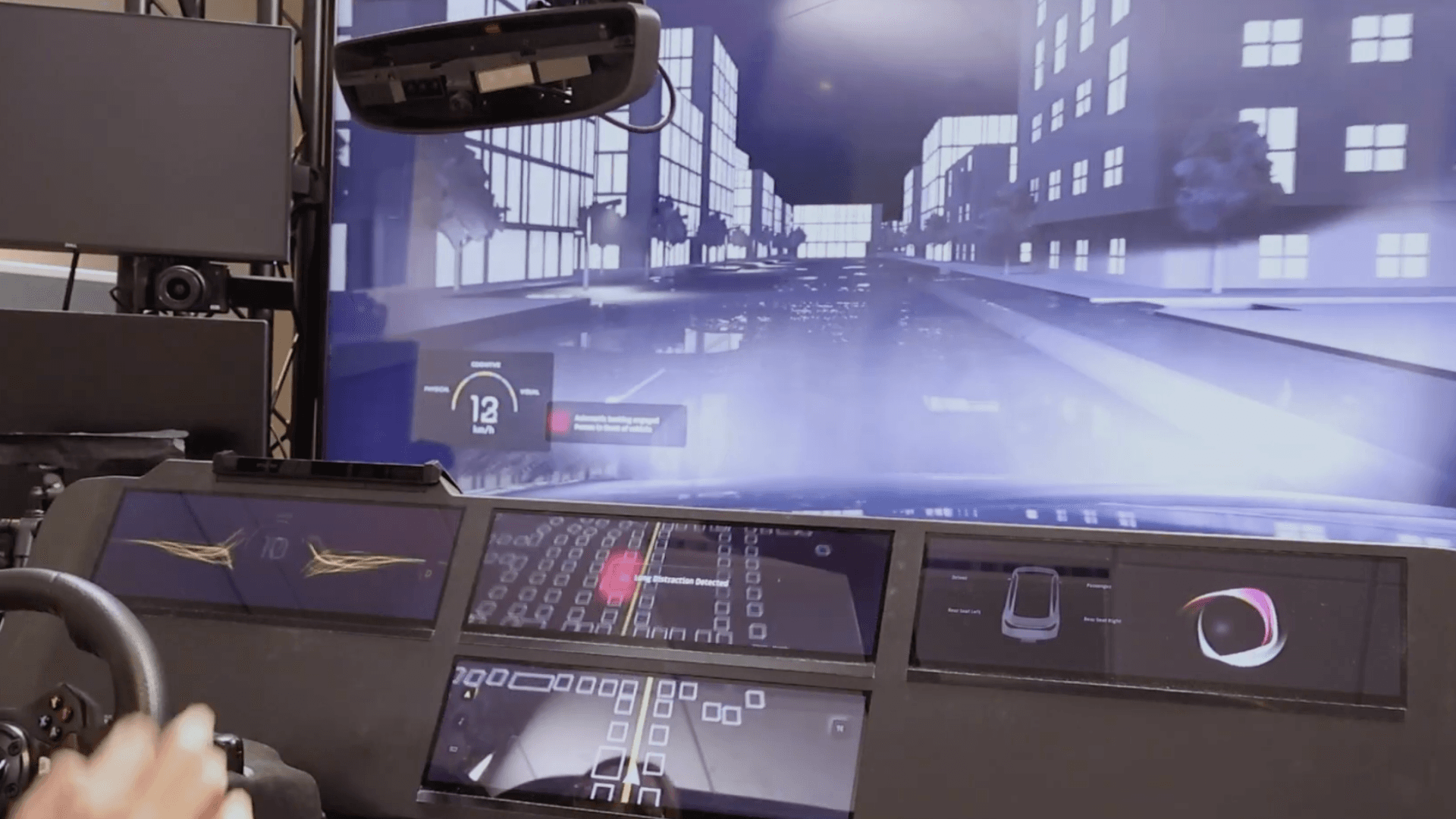
See how camera-based sensing detects distraction, drowsiness and signs of impairment. Our demonstrations show how understanding the driver’s attention and state can provide information for vehicle safety functions.
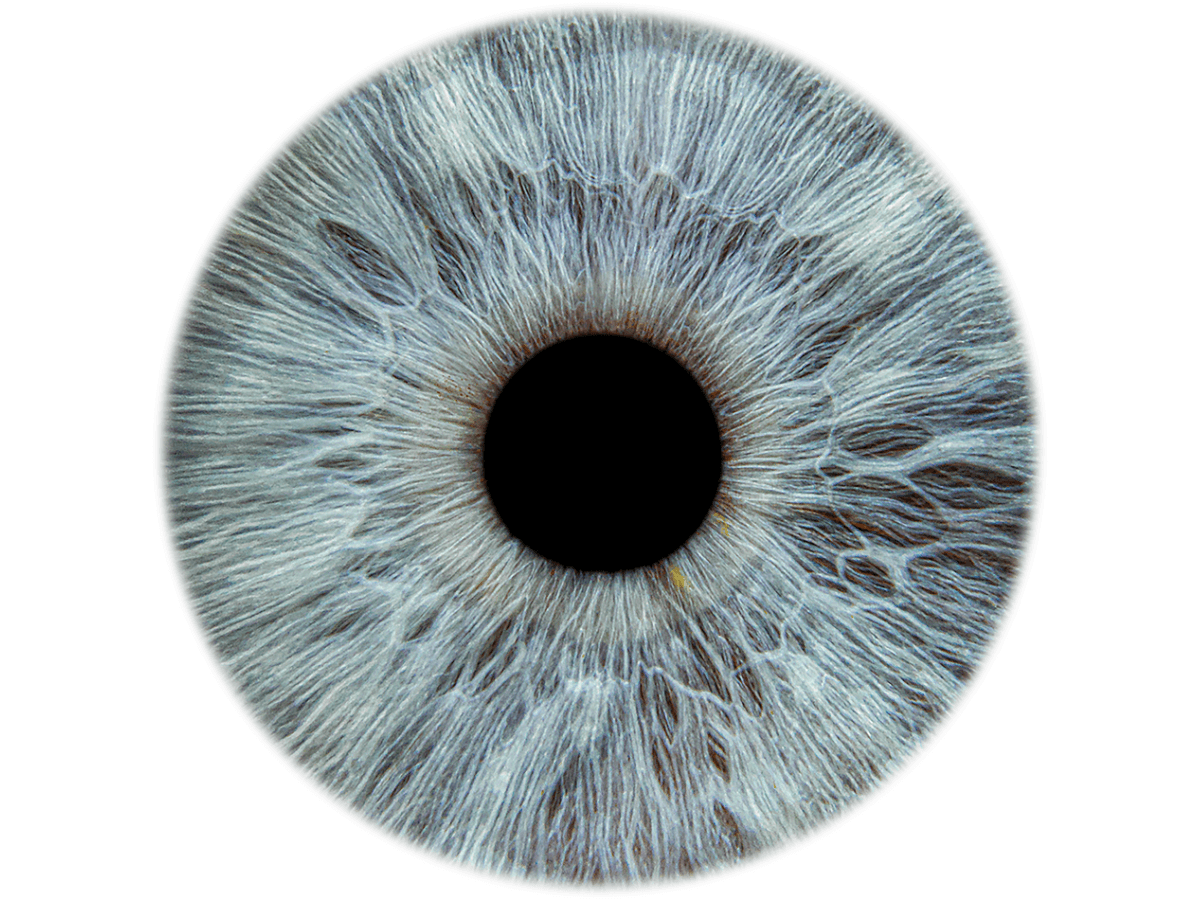
Driver identity and personalization
Explore face and iris authentication, and how recognizing the driver can support personal settings. See how information about drivers and passengers can help adapt the cabin experience to the people using it.
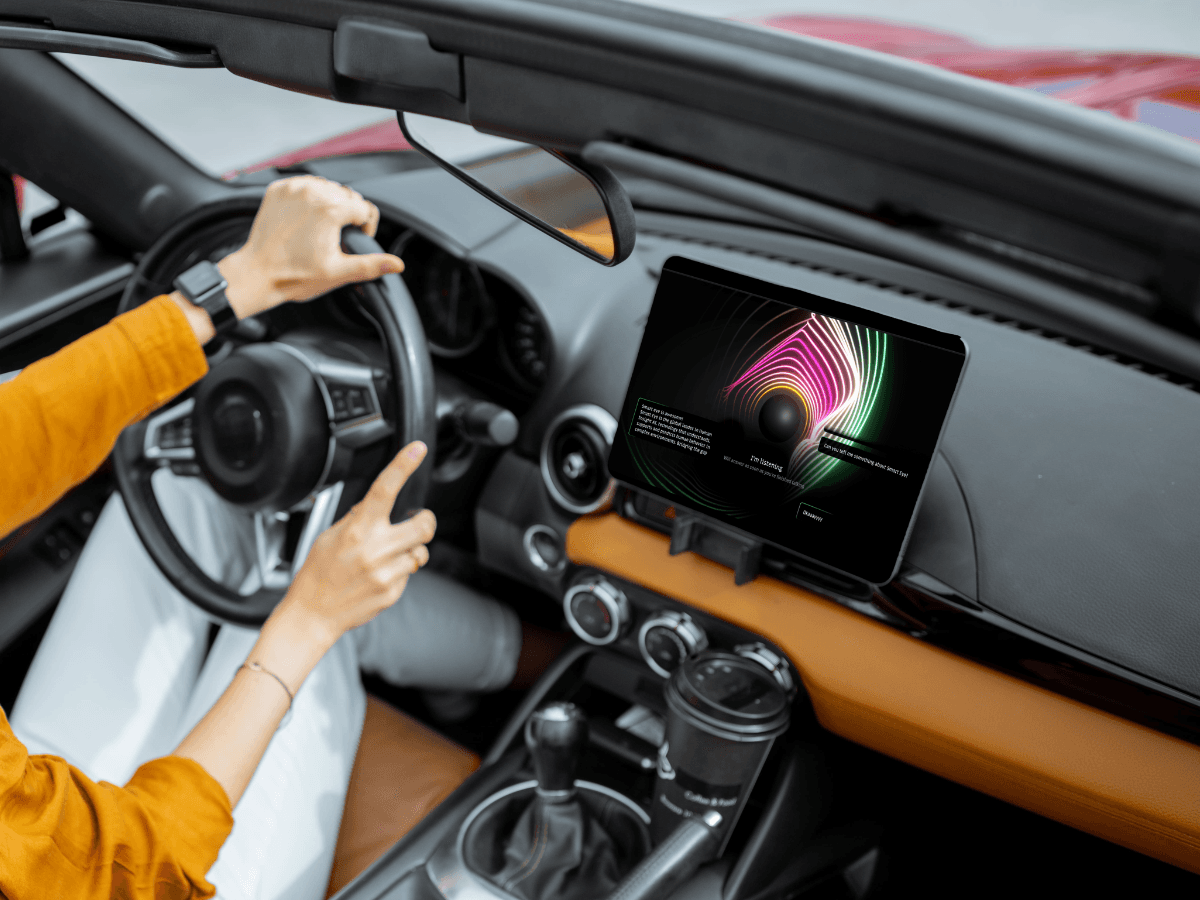
In-cabin agentic AI
An in-car assistant can use more than a spoken request. See how our agentic AI combines voice with gaze, driver and cabin context, and remembered preferences to take action through connected functions and services. That can mean connecting a request with where someone is looking.
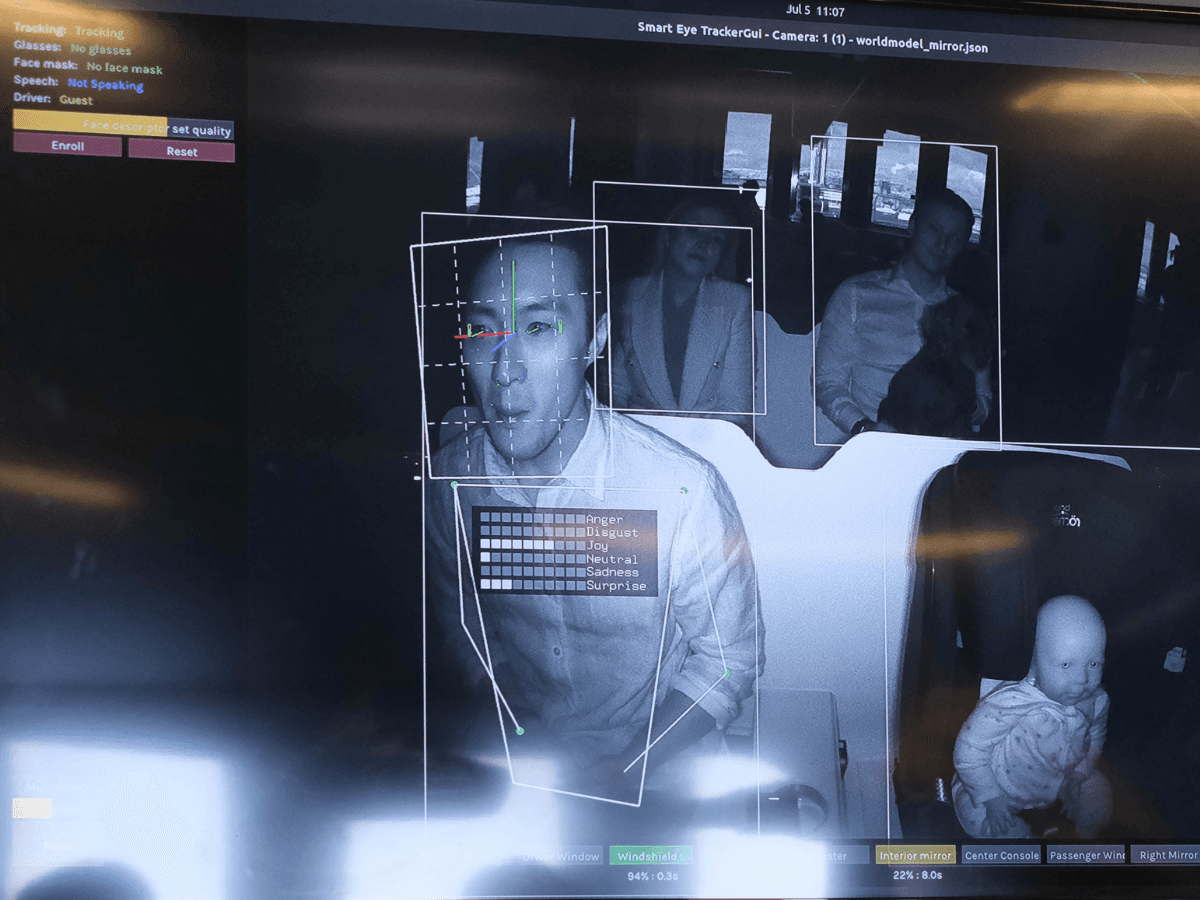
Occupant monitoring
Safety functions depend on understanding who is in the cabin and how they are seated. Explore sensing of seatbelt use and occupant position, including people sitting outside the expected seating position, and how that information can support occupant protection.
CES 2026 Innovation Awards Honoree
Real-time alcohol impairment detection is a CES 2026 Innovation Awards Honoree in Vehicle Tech & Advanced Mobility.
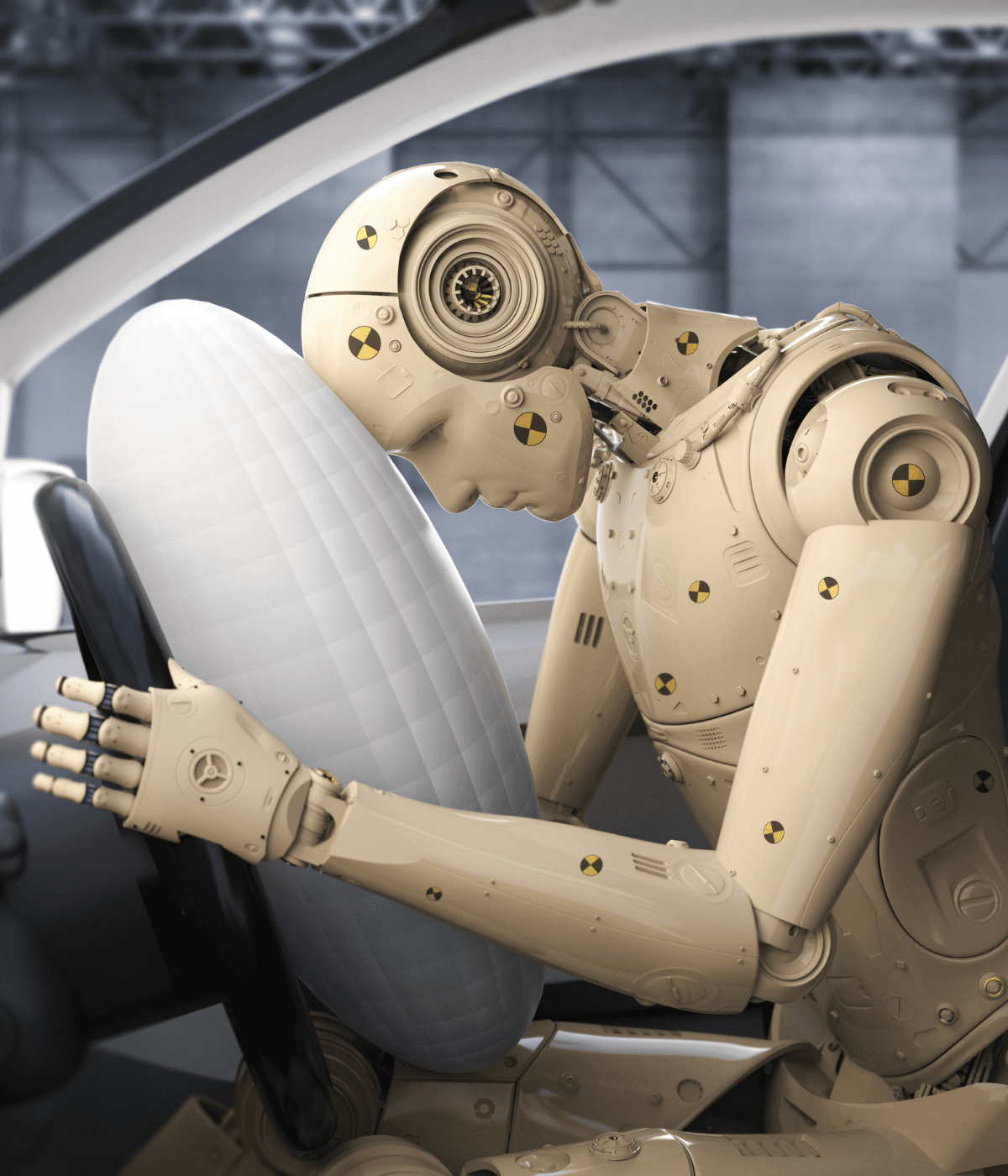
How Euro NCAP Will Make DMS the New Safety Standard
Driver monitoring is on its way to becoming as standard as the seatbelt. The e-book explains how Euro NCAP assesses and rates driver monitoring systems.
Camera placement and integration
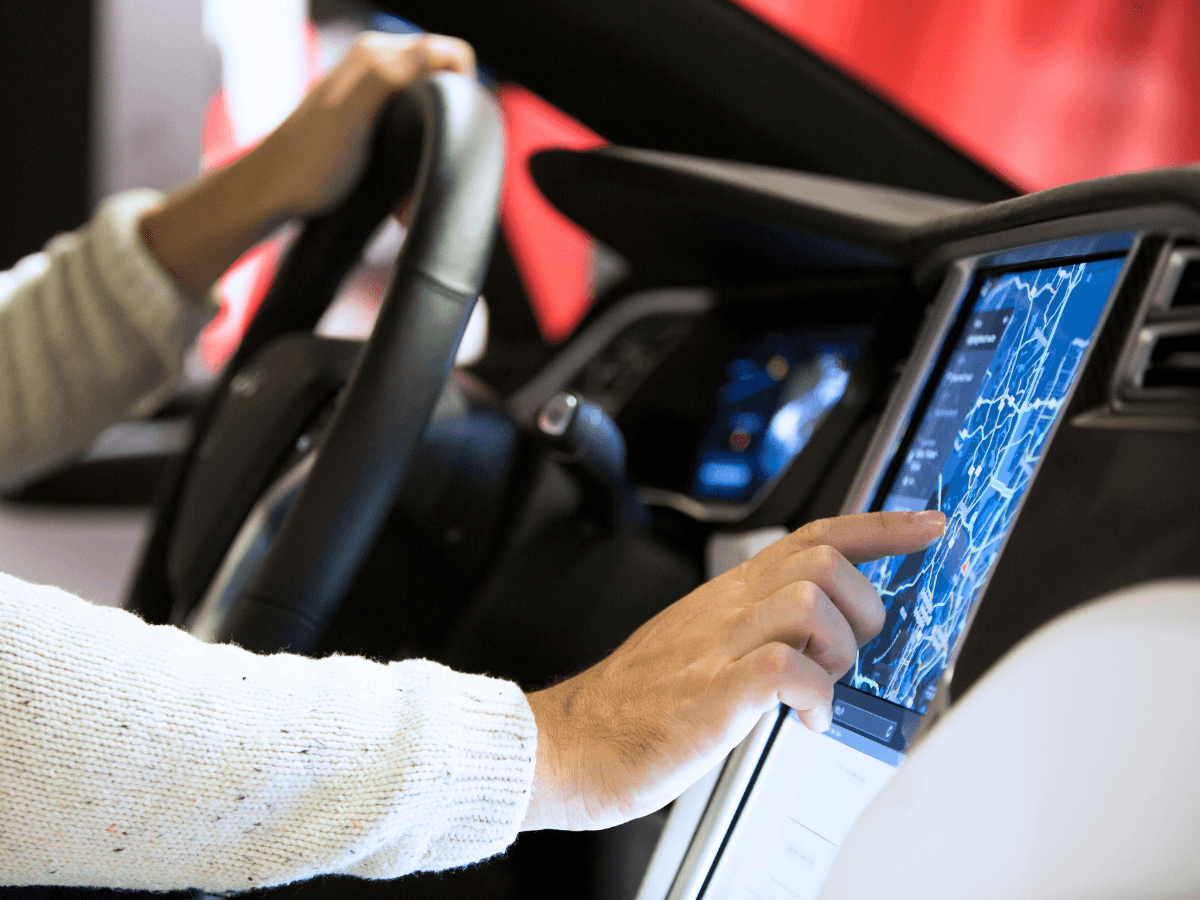
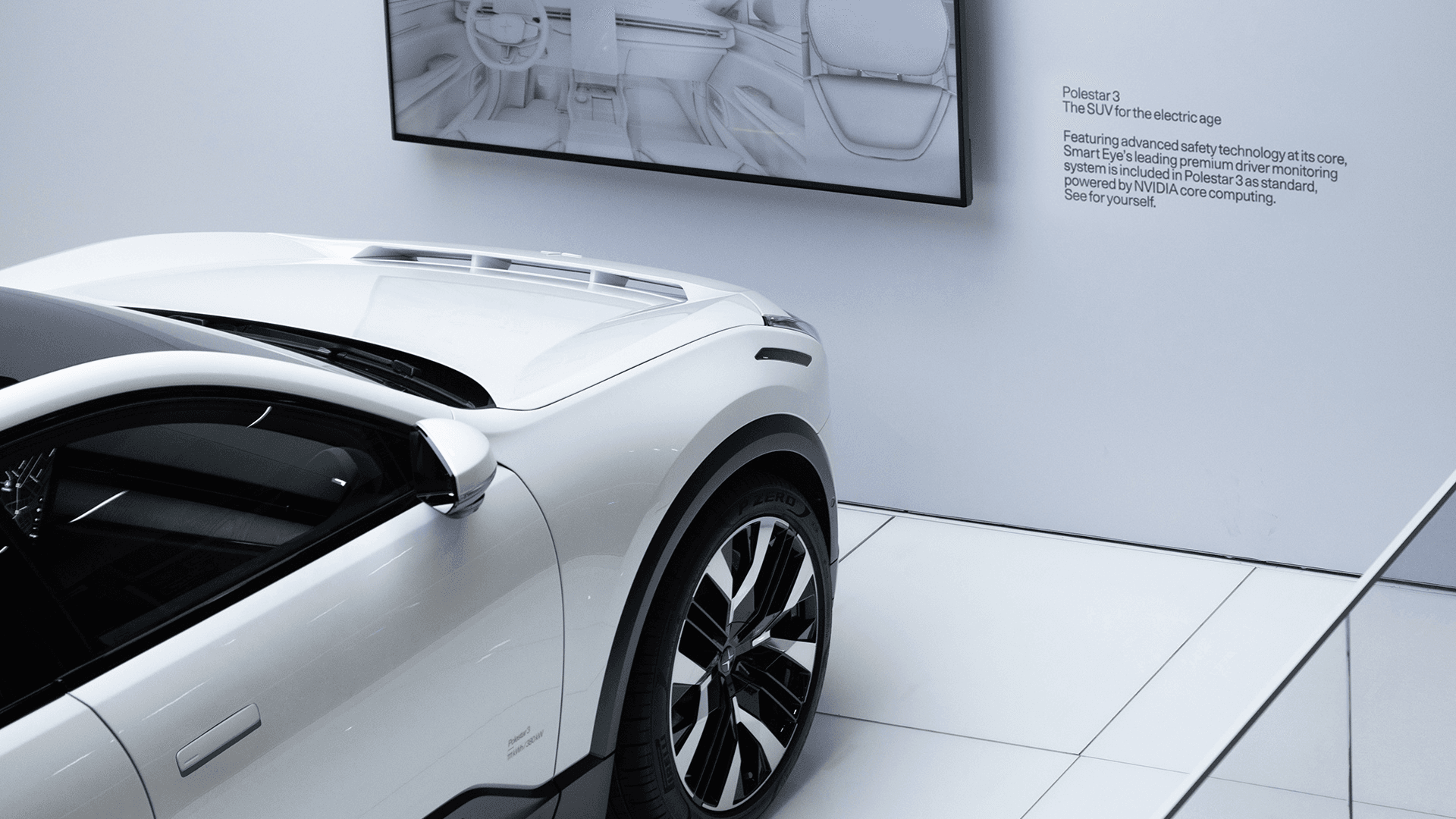
A clear view of the driver has to fit the cabin design. See different approaches to that challenge, including under-display cameras, mirror integration and a compact all-in-one driver monitoring system. Discuss the implications for packaging, hardware and compute.
Sensor fusion
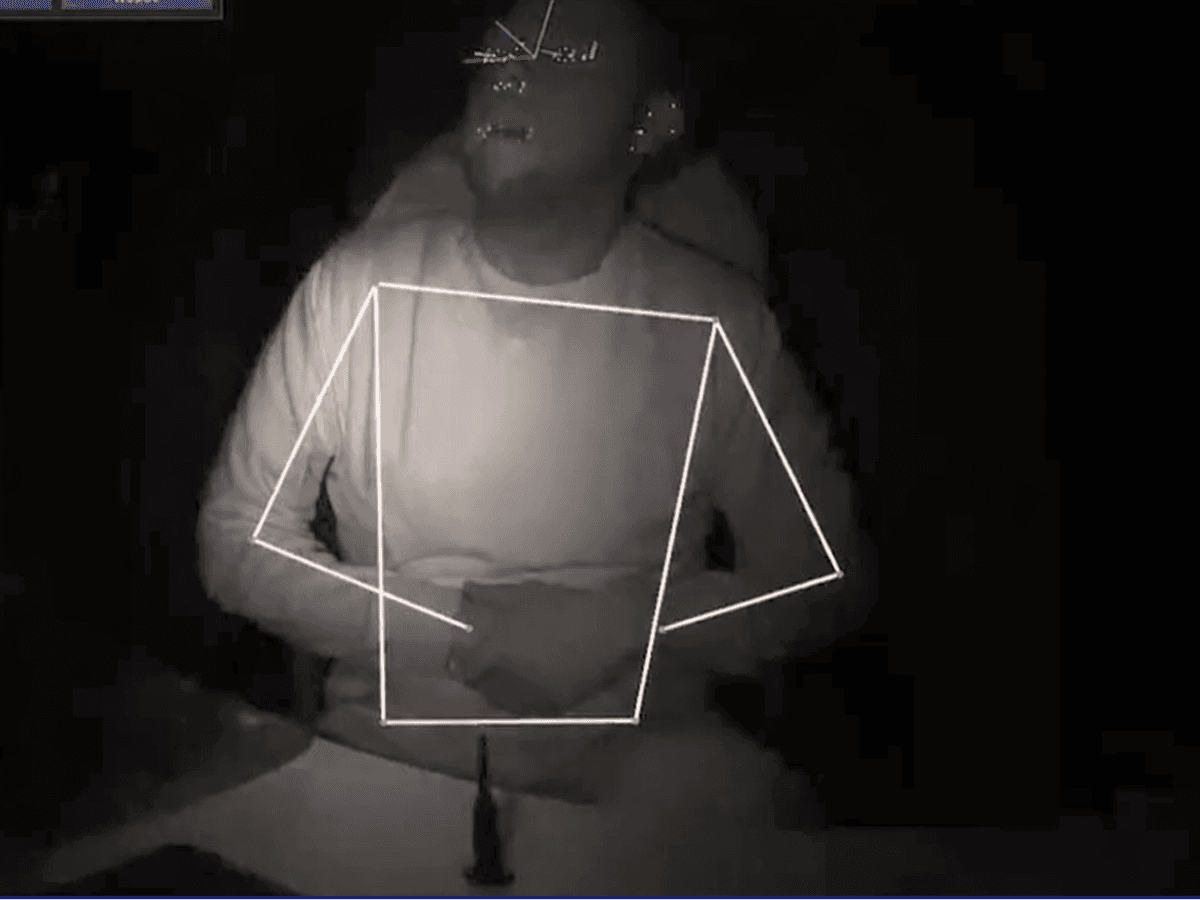
Different sensing technologies provide different information about the cabin. Explore approaches that combine camera-based monitoring with complementary sensing, including radar and 3D depth sensing, and what each can add to the understanding of occupants and their position.
CES 2025 Innovation Awards Honoree
Sheila is a CES 2025 Innovation Awards Honoree in Vehicle Tech & Advanced Mobility.
Book your CES demo
Reserve a private appointment to see the technology and discuss your projects with our team. Let us know what you’re interested in so we can plan the right demonstrations and conversation.
This content requires marketing cookies to display.
About Smart Eye
Smart Eye develops camera-based technology that reads human attention, state, and behavior in real time.
The company’s driver monitoring and interior sensing systems are embedded in millions of vehicles from the world’s leading manufacturers, helping keep drivers and passengers safer. The same core technology is used in research environments, integrated directly into third-party products, and deployed across industries where accurate human understanding makes a real difference.
Smart Eye was founded in 1999, is headquartered in Gothenburg, Sweden, and is listed on Nasdaq First North Growth Market.